
Bob Is Back in Tekken 8: What Changes When You Pick Up a New Character?
Bob is back in Tekken 8, returning to the series in Season 3 after making his debut in Tekken 6. Known for combining impressive speed with his powerful build and Freestyle Karate fighting style, Bob has always been one of the more distinctive characters in the Tekken roster.
His return gives longtime players a chance to revisit a familiar character, while newer players have another unique moveset to learn. As players head into training mode to work through Bob’s combos, movement, punishment, and pressure, however, the experience raises a question that goes beyond the character himself: does learning a different character change the way we think about the controller we use?
A fighting game controller does not determine whether someone will be good at Bob, but its layout, input method, and comfort can influence how naturally certain actions come together during practice. With fight sticks, gamepads, and leverless controllers all remaining popular in the fighting game community, Bob’s return provides an interesting opportunity to look at how different setups fit into the process of learning a character.
What Makes Bob Interesting in Tekken 8?
Bob has always been an unusual presence in Tekken. His appearance suggests a heavyweight fighter, yet his defining identity has been built around the contrast between speed and weight. That combination has made him memorable since his first appearance in Tekken 6.
For returning players, learning Bob again is not simply a matter of opening an old move list and trying to reproduce what they remember. Tekken 8 has its own pace and systems, and Bob now has to be understood within the current game rather than the environment in which players first encountered him.
That means returning Bob players have to rebuild their understanding of his tools in the context of Tekken 8. Combos need to be practiced, punishment options need to be recognized, and movement and pressure need to become familiar again. Players who have never used Bob face an even bigger learning process because they are discovering both the character and the way his tools fit together.
This makes Bob’s return interesting from a controller perspective. When you learn a new character, the controller remains the same, but the sequences you ask your hands to perform can change considerably.
What Changes When You Learn Bob?
Experienced Tekken players often rely heavily on repetition. After playing the same character for a long time, many actions stop feeling like individual decisions and become familiar sequences. You know where your fingers need to go, how quickly an input needs to be performed, and what the next action should feel like.
Learning Bob introduces a new set of patterns that have to become familiar through practice. Depending on how you approach the character, you may need to work on:
1.New combo sequences
2.Different timing
3.Different movement patterns
4.New punishment options
5.Character-specific attacks
6.Different pressure sequences
7.New stance or transition inputs
A sequence that feels automatic with your main character may initially feel surprisingly awkward with Bob. You may know exactly which move you want to perform, but your fingers still need time to learn the required sequence.
This is one reason training mode is so important when picking up a returning character. Repetition gradually turns unfamiliar inputs into familiar ones, allowing players to focus less on individual button presses and more on what they actually want to accomplish during a match.
How Does Your Controller Fit Into That Learning Process?
As you get deeper into Bob’s moves and combos, you may start noticing details about your controller that were easy to overlook before. A button that feels slightly out of reach, an awkward combination, or an input that takes more effort to repeat can become much more noticeable when you’re practicing the same sequence again and again.
That doesn’t mean Bob calls for a different controller. If your current setup already feels natural, keeping it consistent can make it easier to focus on learning the character. At the same time, those small moments of friction can tell you something about how you prefer your controls to feel—and why another setup might suit you better.
Fight Stick, Gamepad, or Leverless: Does It Matter for Bob?
There is no universal answer because each controller offers a different physical approach to Tekken.
Fight Stick
The traditional fight stick remains one of the most recognizable fighting game controllers. A joystick handles movement while the player’s fingers operate a row of large arcade-style buttons.
For players who have spent years using this setup, the physical movement of the joystick and the tactile feedback of the buttons can become deeply familiar. That familiarity is especially valuable when learning another character because the controller itself does not become part of the learning problem.
A long-time fight stick user may therefore find that Bob feels unfamiliar at first, but the controller still feels completely natural.
Gamepad
Gamepads offer perhaps the most familiar starting point for many players. The D-pad, face buttons, shoulder buttons, and triggers are already second nature to anyone who has spent years playing on consoles.
For Tekken players who have developed their movement and execution on a gamepad, there is no obvious reason to abandon that experience when learning Bob. A familiar controller can allow players to spend more of their practice time understanding the character rather than adapting to new hardware.
Leverless Controller
Leverless controllers take a different approach by replacing the joystick with individual directional buttons for left, right, up, and down.
For players who prefer this input method, the direct relationship between each finger and each directional input can make movement feel precise and repeatable. Leverless controllers also tend to offer considerable flexibility in button arrangement, depending on the design.
That flexibility can become interesting when learning different characters because players may have different preferences for how their attack and utility buttons are positioned.
However, familiarity still matters. A player who is already comfortable with a particular leverless layout may benefit more from keeping that layout consistent than from constantly changing it.
What Should You Look for in a Fighting Game Controller?
Bob’s return also provides a useful reminder that choosing a fighting game controller should be based on how you actually play rather than simply copying the setup of another player.
Input responsiveness is one of the most important considerations. Inputs should register consistently so players can focus on execution rather than questioning whether the controller recognized a command.
Button layout is equally important. The position and spacing of the buttons should feel natural for your hands, particularly when practicing repeated combinations.
Comfort becomes increasingly important during longer sessions. Size, weight, button spacing, key feel, and hand position can all affect whether a controller remains comfortable after hours of practice.
Compatibility is another practical consideration. If you play Tekken 8 across different platforms, checking platform support before buying a controller can prevent unnecessary compatibility issues.
Finally, customization can be valuable for players who want more control over their setup. Depending on the controller, customization may include remappable inputs, replaceable switches, different keycaps, or other hardware options.
There is no need for every player to use all of these features. The important thing is choosing the features that actually improve your experience.
Could the HautePad Emotion III-17 Work for Bob?
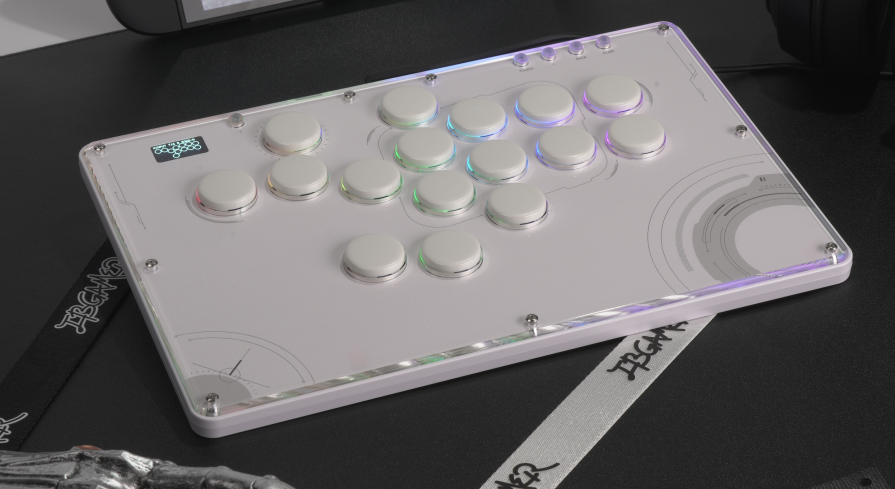
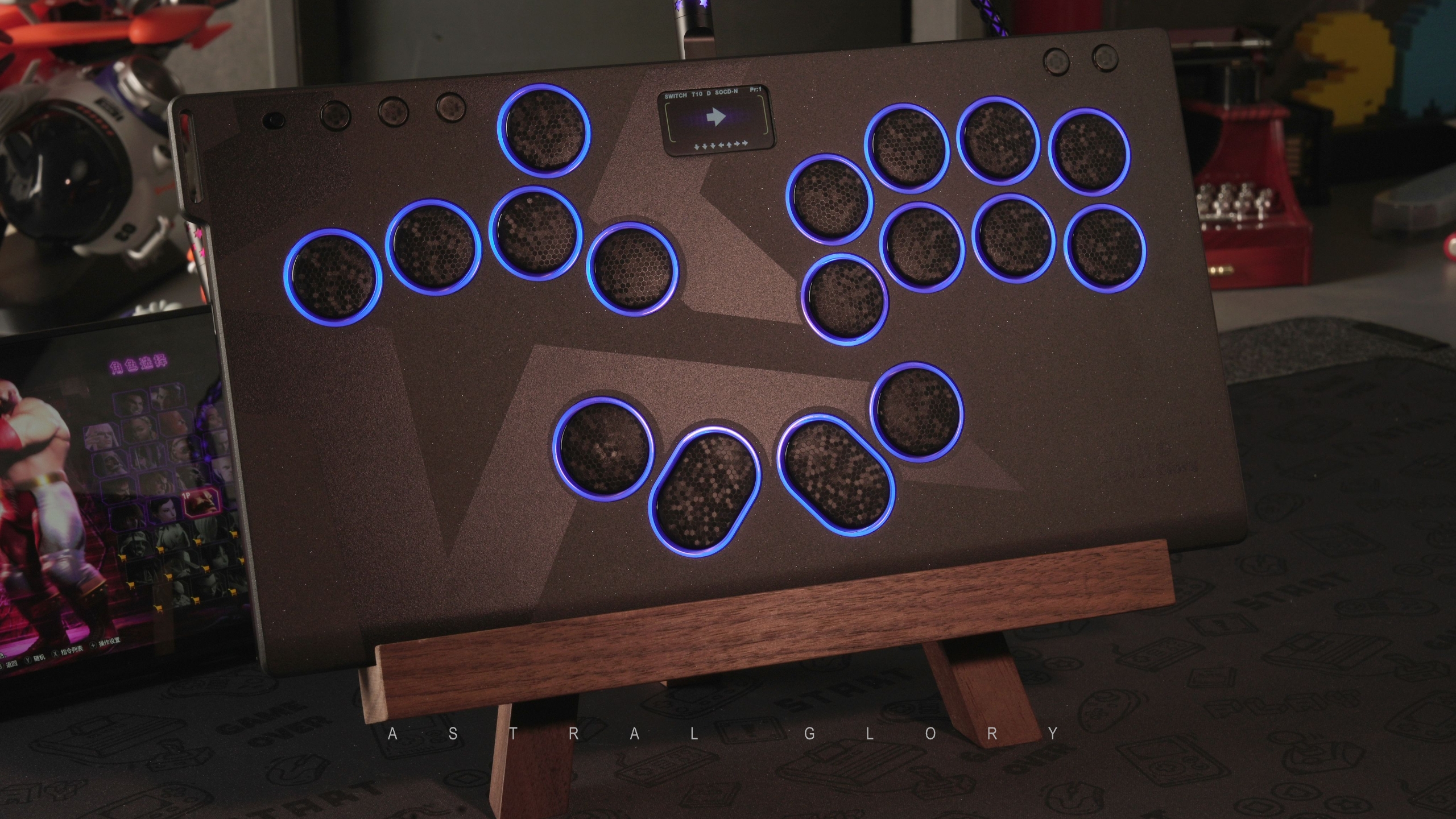
If you’re playing Bob on a leverless controller, the HautePad Emotion III-17 gives you plenty of room to set up your controls the way you like. With 17 physical buttons and fully remappable inputs, you can keep a familiar Tekken layout or move certain commands around as you get a better feel for Bob.
The hardware is built with fast inputs in mind as well, featuring 0.8 mm fast-trigger switches and PBT dye-sub keycaps. Its large color display also provides real-time input feedback, which can come in handy when you’re practicing a new combo or trying to figure out where an input went wrong.
You don’t need an Emotion III-17 to play Bob, of course, but its extra buttons and flexible layout give players more freedom to experiment without having to completely rethink their setup.
Final Thoughts
Bob’s return to Tekken 8 gives longtime players a familiar character to rediscover and newcomers another moveset to explore. While learning him does not require a new controller, it can make players more aware of their inputs, button layout, and overall comfort.
Whether you use a fight stick, gamepad, or leverless controller, the most important thing is finding a setup that allows you to practice consistently and focus on the game.
For leverless players, a customizable controller such as the HautePad Emotion III-17 offers additional flexibility, but there is no universal setup that every Bob player needs.
Sometimes, learning a new character does not require changing your controller. It simply gives you a new reason to understand the one already in your hands.